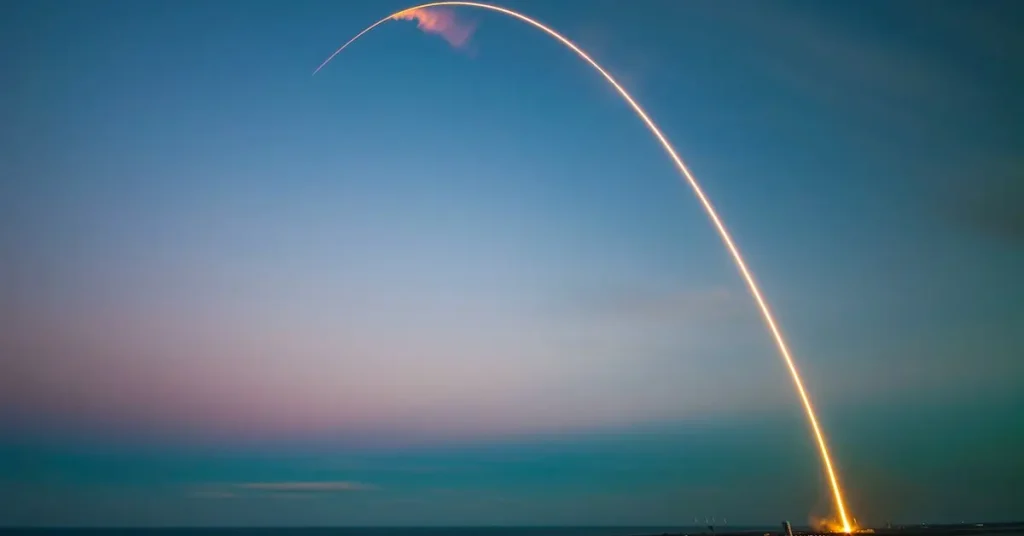

On Florida’s Atlantic coast, enormous rockets have carried astronauts towards the Moon, spacecraft have begun space exploration journeys to distant planets, and reusable space shuttles have returned from orbit to land on the same stretch of coastline.
This is the Space Coast, a region whose identity has been shaped by some of humanity’s greatest technological achievements. But there is more to its story than NASA and spectacular rocket launches. The Space Coast is also where visitors can stand beneath an enormous Saturn V rocket, walk around an actual Space Shuttle, discover the people who made America’s space program possible and watch a new generation of spacecraft begin their journeys into orbit.
Few places offer such an extraordinary opportunity to experience the history of space exploration where so much of it actually happened.
From Florida’s Coastline to the Moon

The transformation of Florida’s Atlantic coastline into America’s principal human spaceflight launch center began in the early 1960s. Following President John F. Kennedy’s commitment to landing an American on the Moon before the end of the decade, NASA needed a much larger launch facility capable of accommodating the enormous rockets required for the Apollo program.
Merritt Island, immediately north and west of the existing Cape Canaveral launch facilities, offered the space and geographical advantages needed for this ambitious undertaking. NASA established its Launch Operations Center on March 7, 1962. Following Kennedy’s assassination in November 1963, President Lyndon B. Johnson announced that the facility would bear his name. The Kennedy Space Center was born.
What followed was one of the most extraordinary engineering projects in American history. Launch facilities, enormous assembly buildings, control centers and supporting infrastructure gradually transformed the landscape. The most ambitious undertaking was the Apollo program, culminating in the historic Apollo 11 mission in July 1969.
The region would continue to play a central role in American space exploration for decades, including the Space Shuttle program and the development of the International Space Station. Today, that remarkable heritage remains visible across the landscape.
The Enormous Engineering Behind America’s Space Program
One of the most impressive structures associated with Kennedy Space Center is the Vehicle Assembly Building. Few buildings illustrate the scale of the American space program quite as dramatically. Completed during the Apollo era, the enormous building was constructed to allow the different stages of a Saturn V rocket to be assembled vertically before being transported to the launch pad.
Its interior is so vast that the building has its own weather-related challenges. Under certain atmospheric conditions, clouds have even formed near the ceiling. The building covers approximately eight acres, rises to around 525 feet and was, for a time, one of the largest buildings in the world by volume.
The engineering did not end with the building itself. Specially designed crawler-transporters carried fully assembled rockets and spacecraft to their launch pads, moving slowly across the specially constructed crawlerway. Visitors can appreciate this remarkable infrastructure during the Kennedy Space Center bus tour, which provides views of important operational facilities and historic landmarks.
Access to particular areas depends on launch operations and security requirements, so the precise tour route can vary. For anyone interested in engineering, architecture or technological innovation, this is an opportunity to see the extraordinary infrastructure behind some of humanity’s greatest scientific achievements.
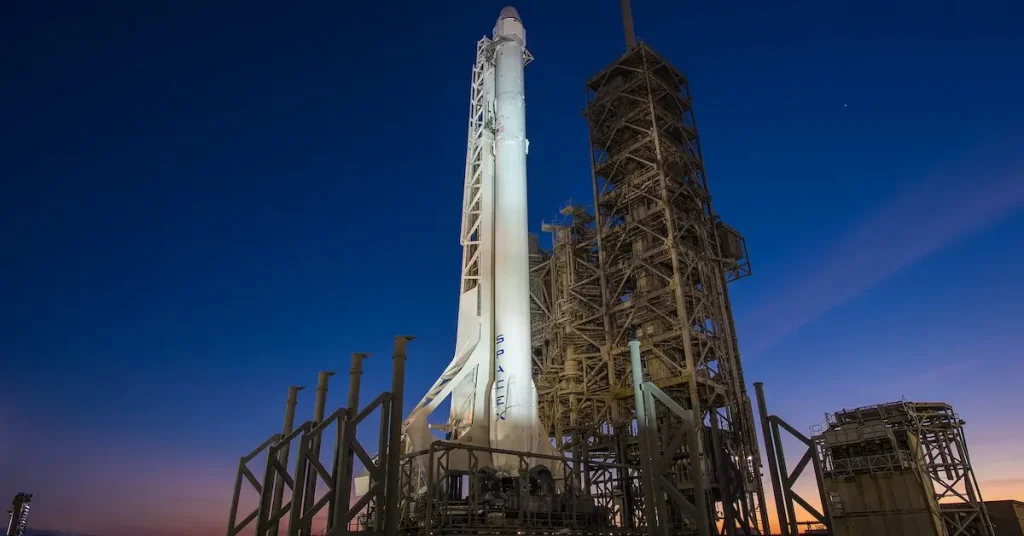
Walk Beneath a Saturn V and Meet the Space Shuttle Atlantis
The Kennedy Space Center Visitor Complex provides the most comprehensive opportunity to explore the history of American spaceflight. Rather than simply displaying photographs and historical information, its attractions bring visitors remarkably close to the actual spacecraft and technology involved.
One of the most impressive experiences is the Apollo/Saturn V Center. Here, visitors can see an enormous Saturn V rocket, the launch vehicle in the Apollo mission. Standing beneath this extraordinary machine provides a very different perspective on the Apollo program. Exhibits also explore the people, technology and events behind the lunar missions, including the historic Apollo 11 achievement.
Another essential attraction is Space Shuttle Atlantis. This is the actual orbiter that completed 33 space missions between 1985 and 2011. Displayed with its payload doors open and robotic arm extended, Atlantis is positioned to recreate the appearance of a spacecraft working in orbit.
The surrounding exhibition explores the history of the Space Shuttle program, the challenges of reusable spaceflight and the lives of astronauts working aboard the spacecraft. More than 60 interactive and immersive exhibits help visitors understand how the shuttle operated and what it was like to live and work in space.
The Visitor Complex also offers presentations, films and additional experiences that change over time. For families, it is particularly worthwhile because the combination of real spacecraft, interactive displays and hands-on activities provides an engaging introduction to science and engineering. Children can encounter the technology of space exploration rather than simply reading about it.
The complex is also accessible to visitors with disabilities, with wheelchair rentals and other assistance available. Service animals are permitted under the attraction’s published policies, while visitors traveling with ordinary pets can use the complimentary on-site kennel.
Allow a substantial part of the day for a visit. There is considerably more to see than the principal exhibits, and the bus tour and Apollo/Saturn V Center deserve time in their own right.
Discover the People Behind the Space Race in Titusville
While Kennedy Space Center celebrates the achievements of the American space program, another interesting destination offers a different perspective on its history. The American Space Museum and Walk of Fame in Titusville concentrates on the people, artifacts and experiences behind the development of American space exploration.
It is easy to associate the space program primarily with famous astronauts such as John Glenn, Neil Armstrong and Buzz Aldrin. However, the achievements of the space age depended on thousands of engineers, technicians, contractors, launch personnel and other workers whose contributions rarely received the same attention.
The museum helps bring these stories into focus through its collection of historical objects, photographs, memorabilia and space-related artifacts. For visitors interested in the human side of the Space Race, it provides a valuable complement to the much larger Kennedy Space Center experience.
Its location is also particularly interesting. The museum is within walking distance of Space View Park, a waterfront public space overlooking the Indian River. The park features monuments commemorating important American spaceflight achievements and provides a connection between Titusville and the region’s aerospace heritage.
The museum publishes regular opening hours and admission arrangements, although visitors should check its official website before traveling.
Watch a Rocket Launch Live
There is something particularly special about watching a rocket launch from the Florida coastline. Modern launches have become an important part of the Space Coast experience, with NASA missions and commercial space companies contributing to the region’s continuing aerospace activity.
Depending on the mission, visitors may see rockets launching communications satellites, scientific spacecraft, cargo vehicles or astronauts traveling towards the International Space Station. One of the interesting aspects of the modern space program is the growing role of commercial companies. Space exploration is no longer exclusively a government undertaking, and Florida has become an important center for this expanding industry.
Titusville‘s waterfront is among the locations visitors consider when looking for public launch-viewing opportunities. Space View Park is particularly interesting because of its historical connection with the space program. However, launch viewing requires a little flexibility.
Dates and times can change because of technical requirements, weather conditions and mission considerations. Even a launch that appears certain may be postponed. It is therefore sensible to monitor official launch announcements and check viewing arrangements before making a special journey. A successful launch can be an unforgettable experience, particularly when viewed against the backdrop of Florida’s Atlantic coastline.
The Space Coast’s Next Chapter
The history of the Space Coast is not simply something preserved in museums. Kennedy Space Center and Cape Canaveral continue to play important roles in modern spaceflight, while commercial launch operations have added another dimension to the region’s aerospace identity.
NASA’s ambitions extend beyond low Earth orbit, with the Artemis program pursuing human exploration of the Moon. Meanwhile, commercial spacecraft and satellite launches are helping shape the future of the space industry.
For visitors, this means that the Space Coast offers something unusual: the opportunity to explore a major chapter in technological history while witnessing the industry continuing to develop around them. It is a destination where the past is not separated from the present by museum glass. The rockets, launch facilities and engineering achievements that made Florida famous remain part of an active spaceport.
And perhaps that is the most remarkable thing about this stretch of Atlantic coastline. The Apollo astronauts made history here more than half a century ago. Today, new spacecraft continue to rise above Florida, carrying the next generation of ambitions into space.