


Florida’s Atlantic coastline is home to some remarkable saltwater fish. Some lurk beneath mangrove roots in shallow lagoons, others patrol the surf zone just beyond the beaches, while some of the ocean’s fastest predators hunt in the deep blue waters of the Gulf Stream.
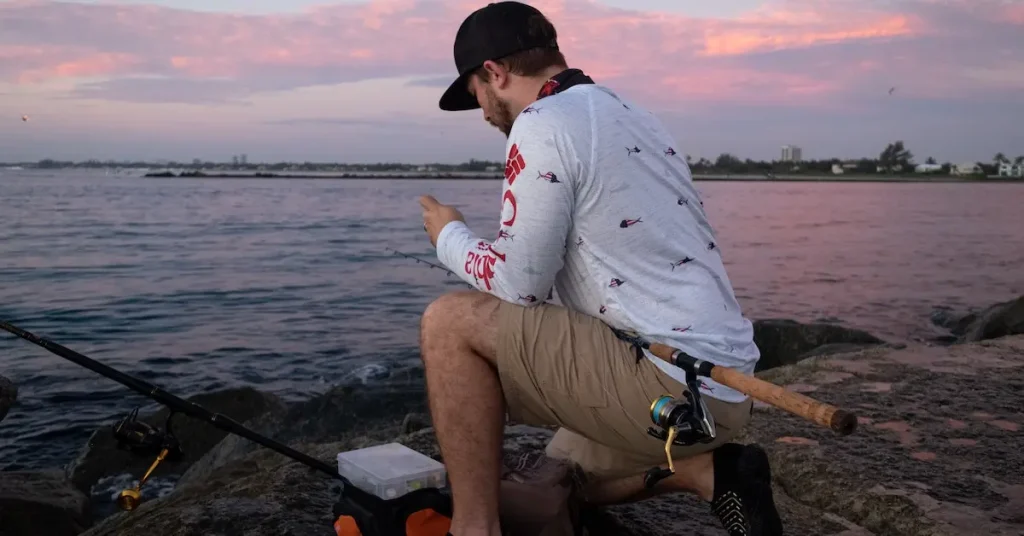
For anglers, these waters offer encounters with everything from powerful inshore predators to spectacular offshore game fish. But you don’t necessarily need an expensive deep-sea fishing expedition to discover Florida’s marine life. Some species can be pursued from public fishing piers, beaches and coastal inlets.
Here are six impressive saltwater fish that help make Florida’s Atlantic Coast such an extraordinary place for fishing.
1. Snook: The ambush predator of Florida’s mangroves

Few Florida fish have quite the same reputation among inshore anglers as the common snook. Recognizable by its elongated body, prominent lower jaw and distinctive black lateral line, this powerful predator is particularly associated with mangrove shorelines, bridges, jetties and coastal waterways.
Snook are ambush hunters. They often position themselves around structures where smaller fish and crustaceans pass, waiting for an opportunity to strike. Their sudden bursts of speed and ability to use underwater obstacles to their advantage make them challenging opponents.
The Indian River Lagoon is an excellent place to explore snook fishing. Stretching along much of Florida’s Atlantic Coast, this extensive estuarine system contains seagrass beds, mangroves, tidal creeks and other habitats supporting a diverse marine ecosystem.
The waters around Sebastian Inlet and Fort Pierce also offer interesting opportunities for anglers. Summer and early autumn can provide productive fishing, although local conditions and regulations matter. Snook harvest is subject to regional closed seasons and size limits, so catching one does not automatically mean it can be kept.
2. Tarpon: Florida’s spectacular silver king
Few fishing experiences are as dramatic as watching a tarpon launch itself out of the water. Sometimes called the silver king, the Atlantic tarpon is a magnificent fish with enormous scales, a powerful body and an impressive ability to leap clear of the surface when hooked.
Tarpon can grow to more than 200 pounds, making them one of Florida’s most impressive coastal game fish. They are also capable of gulping air at the surface using a specialized swim bladder, an adaptation that helps them survive in oxygen-poor water.
Florida’s Atlantic Coast provides important seasonal fishing opportunities as tarpon move through coastal waterways and along the shoreline. Fort Pierce, Stuart and the Indian River Lagoon are particularly interesting places to investigate tarpon fishing. Late spring and summer are popular periods, although tarpon can be encountered at other times.
One important distinction: Florida’s recreational tarpon fishery is catch-and-release. A special tag is required when landing a tarpon for a state or world record, and fish over 40 inches must remain in the water unless being pursued for that record.
3. Sailfish: Florida’s spectacular offshore predator
If there is one fish that deserves a special place in an article about Florida’s Atlantic fishing, it is the sailfish. With its enormous sail-like dorsal fin, elongated bill and streamlined body, this is one of the ocean’s most distinctive predators.
Sailfish are capable of extraordinary bursts of speed. They use their bills when hunting schools of smaller fish, making quick slashing movements to disorient their prey before feeding. They can reach approximately 11 feet in length and weigh around 220 pounds.
Florida has a particularly strong connection with this species. Sailfish are the state’s official saltwater fish, and Stuart is widely known as the Sailfish Capital of the World. The area’s position near the Gulf Stream makes it an attractive destination for offshore anglers. During the winter months, sailfish fishing is an important part of the local fishing calendar.
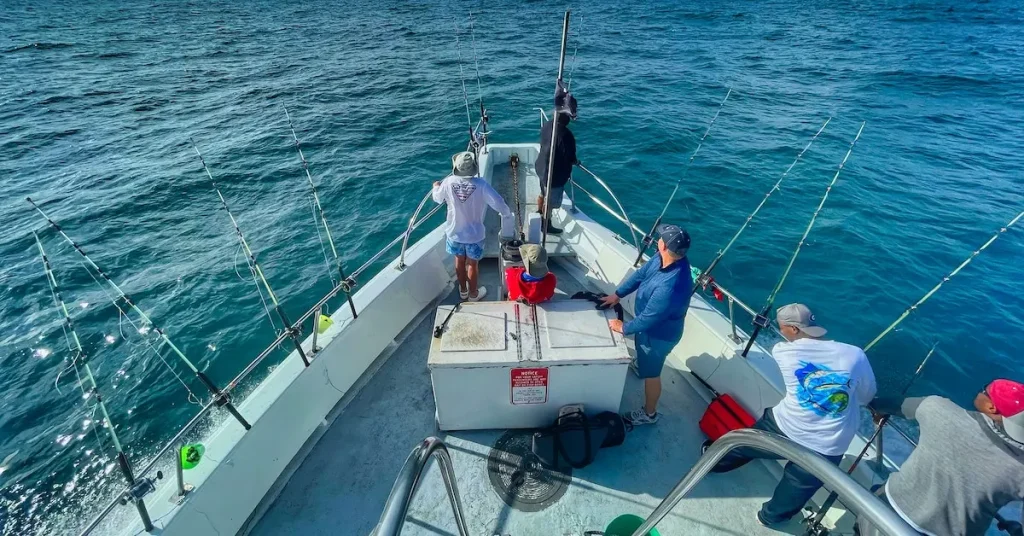
Visitors can arrange offshore fishing trips from Stuart and surrounding communities, although conditions and catches are never guaranteed.
4. Cobia: The powerful visitor from offshore
Cobia are among the more unusual-looking fish encountered in Florida’s coastal waters. They have long, muscular bodies, broad flattened heads and dark horizontal markings. Their appearance can sometimes cause confusion with sharks or remoras, particularly when seen swimming near the surface.
Cobia can reach six feet in length and weigh as much as 150 pounds, although smaller specimens are more commonly encountered. Unlike some fish that remain associated with a particular habitat, cobia move through coastal and offshore waters. They are frequently found around buoys, pilings, wrecks and inlets, where they feed on crabs, squid and smaller fish.
Spring and early summer are particularly interesting periods because cobia spawn during these months. The Treasure Coast and waters around Fort Pierce and Stuart provide opportunities to explore this fishery. Further north, the Atlantic coast also offers seasonal cobia opportunities.
For anglers, sight fishing for a large cobia can be particularly exciting, especially when a fish is spotted cruising near the surface.
5. Permit: The elusive fish of Florida’s shallow waters
The permit is one of Florida’s most prized saltwater sport fish, particularly among anglers who enjoy sight fishing in shallow water. Its flattened, silvery body and deeply forked tail make it an impressive-looking fish. Larger specimens can reach around 50 pounds.
Permit are particularly interesting because they inhabit several different marine environments. They can be found cruising shallow flats, feeding over sandy bottoms and visiting offshore reefs. Their diet includes crustaceans, and they are particularly associated with feeding on crabs.
The Florida Keys are an important destination for permit fishing, especially around the shallow flats and surrounding reef systems. On the Atlantic mainland, the waters around Palm Beach and southeast Florida also offer opportunities.
There is another interesting detail worth knowing: permit are frequently confused with Florida pompano. Although both are members of the jack family, permit grow much larger and have distinguishing physical characteristics.
6. Florida pompano: A favourite of beach anglers
Not every impressive Florida saltwater fish requires a boat, an offshore charter or expensive specialist equipment. The Florida pompano is a perfect example.
This attractive, silvery fish is particularly associated with sandy coastal waters and the surf zone, making it an appealing target for beach anglers. Although relatively small compared with tarpon or cobia, pompano are highly regarded by recreational fishermen and are also an important commercial species.
They feed on small crustaceans and other organisms found along sandy bottoms, often moving through the surf in search of food. Pompano fishing is particularly popular during the cooler months, when seasonal movements bring fish along sections of Florida’s Atlantic shoreline.
The beaches around Daytona, New Smyrna Beach, Vero Beach and the Treasure Coast offer opportunities to explore surf fishing. For visitors who want to experience Florida fishing without booking an offshore charter, this can be an excellent introduction.
Discover Florida’s extraordinary underwater world
Florida’s Atlantic Coast offers far more than miles of beaches and beautiful ocean views. Beneath the surface lies a remarkably varied marine environment, from sheltered mangrove lagoons to shallow sandy flats, coastal inlets and deep offshore waters.
Whether you are watching a tarpon leap, pursuing a snook around the mangroves, searching for permit on the flats or heading offshore in search of sailfish, every environment offers a different experience.
And you don’t necessarily have to be an experienced angler to enjoy it. Public fishing piers, accessible beaches and guided charters provide opportunities for visitors with different levels of experience.
Perhaps the most interesting thing about Florida fishing is that the next extraordinary encounter might be waiting just beyond the beach, beneath a mangrove branch or in the blue waters of the Atlantic.
- 1. Snook: The ambush predator of Florida's mangroves
- 2. Tarpon: Florida's spectacular silver king
- 3. Sailfish: Florida's spectacular offshore predator
- 4. Cobia: The powerful visitor from offshore
- 5. Permit: The elusive fish of Florida's shallow waters
- 6. Florida pompano: A favourite of beach anglers
- Discover Florida's extraordinary underwater world


