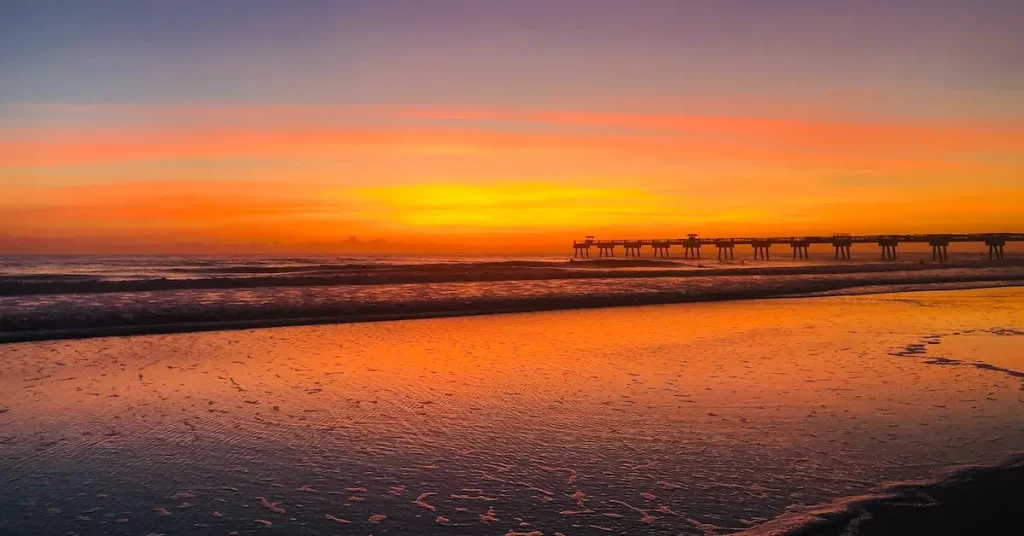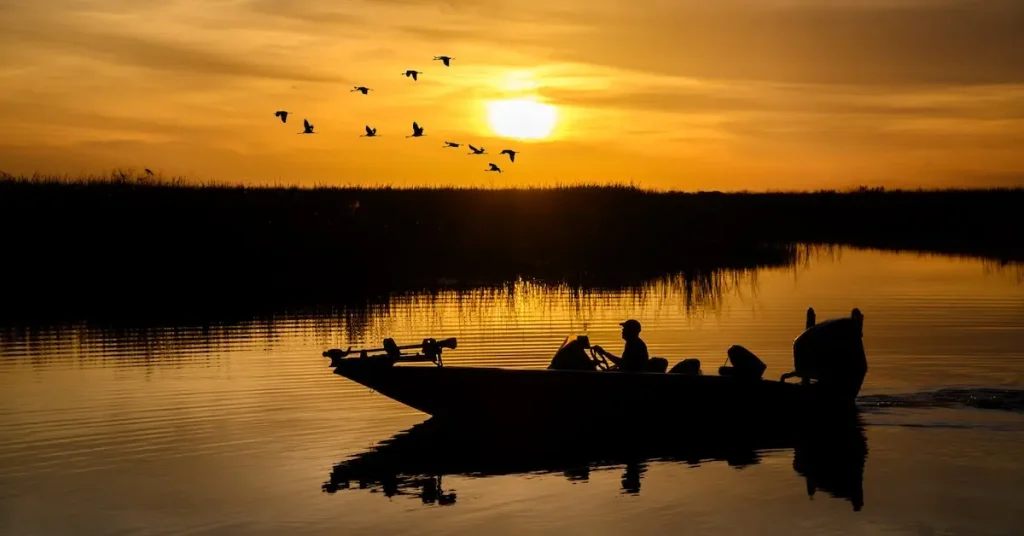

Florida’s Gold Coast is better known for its oceanfront communities, impressive waterfront homes and busy Atlantic beaches. Yet some of South Florida’s most remarkable nature destinations and wildlife experiences can be found surprisingly close to these developed coastal communities.
In Palm Beach, Broward and Miami-Dade counties, visitors can walk above wetlands filled with alligators and wading birds, explore tropical forests on barrier islands, discover the extraordinary world of sea turtles and experience the Everglades without traveling deep into the wilderness.
Perhaps even more surprising is that some of the region’s best wildlife habitats are not ancient natural landscapes. They are wetlands created through water-management projects that have become thriving environments for birds, reptiles and other wildlife.
From protected coastal ecosystems to remarkable conservation projects, these are some of the most interesting places to discover the wilder side of Florida’s Gold Coast.

1. The Everglades: Discover a Remarkable Landscape of Water and Wildlife
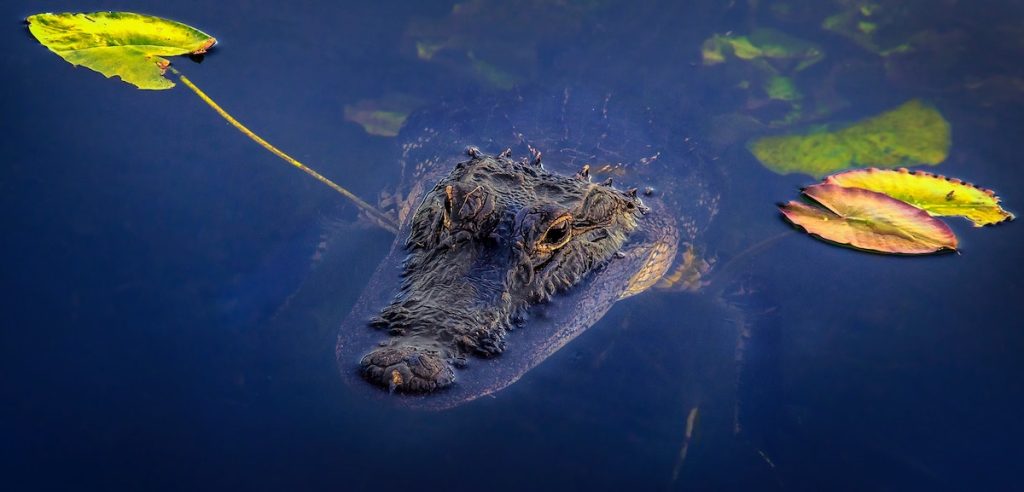
The Everglades is one of the most extraordinary ecosystems in North America. Often described as the River of Grass, this enormous subtropical wetland is a complex landscape of sawgrass marshes, freshwater sloughs, cypress swamps, mangroves and tree islands. It supports an extraordinary variety of wildlife, including American alligators, wading birds, turtles and numerous other species. The wider Everglades ecosystem also provides habitat for the endangered Florida panther and American crocodile.
One of the most accessible ways to experience this remarkable environment from the Gold Coast is through the Arthur R. Marshall Loxahatchee National Wildlife Refuge in Palm Beach County. Covering more than 145,000 acres, Loxahatchee protects an important surviving section of the northern Everglades. Its wetlands provide habitat for hundreds of bird species, along with reptiles, amphibians and mammals.
Visitors can explore designated trails, photograph wildlife, enjoy birdwatching and learn about the ecosystem at the refuge’s visitor center in Boynton Beach. The center has educational displays explaining the Everglades environment, while the surrounding refuge provides opportunities to experience its remarkable landscapes.
For families, the exhibits offer an accessible introduction to the wildlife and ecology of the Everglades. Leashed dogs are permitted on the designated Perimeter Levee Trail, but not at the visitor center or Cypress Swamp Boardwalk.
The larger Everglades National Park, southwest of the Gold Coast, is another worthwhile excursion for anyone wanting to explore the ecosystem on a much greater scale.
2. Wakodahatchee Wetlands: An Unexpected Wildlife Sanctuary
One of the most surprising nature destinations in Palm Beach County is Wakodahatchee Wetlands in Delray Beach. At first glance, it looks like a natural wetland filled with shallow pools, small islands, trees and abundant birdlife. However, its origins are considerably more unusual.
Wakodahatchee was created in 1996 by Palm Beach County on former utility property. Rather than simply being a natural preserve, it is part of a water-management project that uses highly treated reclaimed water to maintain its wetland habitat. The result is an extraordinary example of how an engineered landscape can become a thriving wildlife environment.
More than 178 bird species have been recorded here, including herons, egrets, anhingas and wood storks. Alligators, turtles, frogs and other wildlife can also be spotted. An elevated boardwalk approximately three-quarters of a mile long takes visitors through the wetlands, providing excellent opportunities for birdwatching and photography without walking through the sensitive habitat. One particularly interesting feature is the opportunity to observe nesting birds and their young during breeding periods.
The relatively easy boardwalk makes Wakodahatchee a particularly worthwhile outing for families and visitors who enjoy wildlife photography. The wetlands are open daily from sunrise to sunset. Check current county regulations before bringing a pet.
3. Green Cay: A Wetland Created for Water and Wildlife
Another remarkable Palm Beach County destination is Green Cay Nature Center and Wetlands in Boynton Beach. Like Wakodahatchee, Green Cay demonstrates how a constructed wetland can provide important environmental benefits while creating an accessible wildlife experience.
Developed on former agricultural land, the approximately 100-acre wetland combines water reclamation, habitat creation and environmental education. An elevated boardwalk winds through the wetland, allowing visitors to observe its wildlife from above. Alligators, turtles, fish, butterflies and numerous wading birds inhabit the area. Herons, egrets and ibises are among the birds frequently encountered, making Green Cay an attractive destination for birdwatchers and photographers.
The nature center adds another dimension to the experience, with educational exhibits explaining the importance of wetlands and their role in South Florida’s environment. For families, the boardwalk offers an enjoyable opportunity to observe wildlife at close range while learning about the importance of water conservation. The boardwalk is open daily from sunrise to sunset, while the nature center has more limited opening hours. Admission is free. Dogs and other pets are not permitted.
4. Loggerhead Marinelife Center: Discover the World of Sea Turtles
South Florida’s Atlantic coastline is one of the most important sea turtle nesting regions in the United States. Among the most interesting places to learn about these remarkable marine animals is Loggerhead Marinelife Center in Juno Beach.
This conservation and research center focuses on sea turtle rehabilitation, scientific research and public education. Visitors can learn about loggerheads, green turtles, leatherbacks and other marine species, while observing turtles receiving care in the center’s rehabilitation facilities when animals are present and areas are accessible.
The center also provides insight into the threats facing sea turtles, including marine pollution, fishing-related injuries, coastal development and artificial lighting. One fascinating aspect of sea turtle biology is the extraordinary length of time it takes these animals to reach adulthood. Loggerheads generally take around three decades to become sexually mature.
Their connection with Florida’s beaches is equally remarkable. Female sea turtles return to nest on beaches, often in the same general region where they hatched. Southeast Florida’s nesting season generally runs from March through October, although individual species and nesting dates vary.
Loggerhead Marinelife Center offers an especially worthwhile experience for families, combining wildlife observation with educational exhibits and conservation activities. Admission is free, although visitors should check the center’s current program and opening arrangements.
5. John D. MacArthur Beach State Park: A Surviving Barrier Island Landscape
For a different kind of natural experience, visit John D. MacArthur Beach State Park in North Palm Beach. This protected barrier island preserves a remarkable combination of coastal habitats, including mangrove forests, tropical hardwood hammock and Atlantic shoreline. Barrier islands play an important role in Florida’s coastal environment, providing habitats for wildlife while helping to protect the mainland from the effects of waves and storms.
The park offers opportunities for swimming, hiking, wildlife observation and exploring its waterways by kayak or paddleboard. Its natural surroundings are particularly interesting for anyone wanting to understand how different coastal ecosystems exist alongside one another. The park’s nature center provides additional educational information, while its trails offer opportunities to observe native vegetation and wildlife.
Families can enjoy the beach, nature trails and opportunities to explore the coastal environment. Dogs are permitted in certain outdoor areas under Florida State Parks regulations, but are prohibited on the beach, boardwalks and inside park buildings.
6. Gumbo Limbo Nature Center: A Tropical Forest Beside the Atlantic
Boca Raton‘s Gumbo Limbo Nature Center offers another fascinating introduction to South Florida’s natural environment. The center protects a coastal hammock, an important habitat containing native tropical trees and plants that grow on slightly elevated ground near the coast. The name comes from the gumbo limbo tree, a distinctive native species recognized by its reddish, peeling bark.
Visitors can explore nature trails and boardwalks, visit the observation tower and discover marine life through the center’s aquariums and educational exhibits. Its sea turtle conservation work provides another reason to visit, particularly for anyone interested in the relationship between coastal development and marine wildlife.
The combination of tropical vegetation, marine exhibits and environmental education makes this a particularly interesting destination for families with children. General admission is free. Nature trails and outdoor facilities have separate operating arrangements from the nature center, and pets are not permitted, apart from recognized service animals.
7. Hugh Taylor Birch State Park: Nature in the Middle of Fort Lauderdale
It is easy to overlook the natural landscape surrounding Fort Lauderdale when concentrating on its beaches, waterways and urban attractions. Yet Hugh Taylor Birch State Park offers a surprising reminder of how much of South Florida’s original coastal environment survives within developed areas.
Situated between the Atlantic Ocean and the Intracoastal Waterway, the park protects a landscape of tropical vegetation, coastal hammock and waterways. Visitors can explore walking and cycling trails, enjoy wildlife observation and experience the park’s waterways by canoe or kayak when facilities and conditions permit.
Its position makes it particularly interesting: a relatively natural landscape survives almost surrounded by one of South Florida’s busiest coastal communities. Families can enjoy the trails and picnic areas, while leashed dogs are permitted in accordance with park regulations. The park is a worthwhile stop for visitors wanting to combine an outdoor experience with a visit to Fort Lauderdale.
8. Nature Destinations: A Different Side of the Gold Coast’s Atlantic Beaches
The Gold Coast‘s beaches are not simply places for swimming and sunbathing. They are also important habitats for marine wildlife. During nesting season, sea turtles emerge from the Atlantic at night to lay their eggs in the sand. The coastline also supports shorebirds and other wildlife, while dolphins and manatees can sometimes be seen in nearby waters.
For a more natural beach experience in Broward County, Dr. Von D. Mizell-Eula Johnson State Park in Dania Beach is particularly interesting. The park protects a section of coastline with coastal hammock, mangrove environments and waterways, offering a different perspective on the region’s shoreline.
Visitors can explore its nature trails, enjoy the beach, go kayaking and observe the surrounding coastal environment. Dogs are permitted in designated areas but are not allowed on the beaches or along natural shorelines.
When visiting any of South Florida’s nesting beaches, remember that artificial lighting can disorient sea turtles and hatchlings. Keep beaches clean, avoid disturbing marked nests and observe wildlife from a respectful distance.
The Gold Coast’s Wild Side Is Closer Than You Think
Perhaps the most interesting thing about Florida’s Gold Coast is the contrast between its developed coastline and the remarkable natural environments that survive alongside it.
A wetland created as part of a water-management project can become a haven for hundreds of bird species. A tropical forest can survive within a busy city. And a stretch of Atlantic beach can remain an important nesting ground for sea turtles despite the development surrounding it.
These places reveal a side of South Florida that is easy to miss when traveling between its better-known coastal communities. They also demonstrate that discovering Florida’s wildlife does not necessarily require a journey into remote wilderness. Sometimes, one of the region’s most extraordinary natural experiences is waiting just beyond the next suburban road.
- 1. The Everglades: Discover a Remarkable Landscape of Water and Wildlife
- 2. Wakodahatchee Wetlands: An Unexpected Wildlife Sanctuary
- 3. Green Cay: A Wetland Created for Water and Wildlife
- 4. Loggerhead Marinelife Center: Discover the World of Sea Turtles
- 5. John D. MacArthur Beach State Park: A Surviving Barrier Island Landscape
- 6. Gumbo Limbo Nature Center: A Tropical Forest Beside the Atlantic
- 7. Hugh Taylor Birch State Park: Nature in the Middle of Fort Lauderdale
- 8. Nature Destinations: A Different Side of the Gold Coast's Atlantic Beaches
- The Gold Coast's Wild Side Is Closer Than You Think