


Florida, affectionately known as the Sunshine State, is famous for its beautiful beaches, warm tropical climate and spectacular coastal scenery. Beyond the golden sands and turquoise waters of the Atlantic Ocean, there are numerous cultural adventures waiting to be discovered. Stretching along the southeastern coastline, Florida’s Gold Coast offers an extraordinary combination of history, art, architecture, cultural diversity and fascinating local traditions.
From the vibrant streets of Miami to the historic charm of Fort Lauderdale and the elegant surroundings of Palm Beach, this remarkable region provides countless opportunities to explore Florida’s cultural heritage. Whether you’re interested in historic landmarks, world-class museums, colorful neighborhoods, traditional cuisine or the stories that shaped modern South Florida, the Gold Coast has something to inspire every visitor.
5 Unique Cultural Attractions in Florida’s Gold Coast
1. Explore the Cultural Diversity of Miami

Few places in the United States offer the cultural diversity and international atmosphere of Miami. Often described as the gateway to Latin America, the city has been shaped by generations of immigrants from Cuba, the Caribbean, Central America, South America and beyond. Their traditions, languages, music, food and artistic influences have helped create one of America’s most distinctive cultural destinations.
One of the best places to experience this diversity is Little Havana. Centered around the famous Calle Ocho (Southwest Eighth Street), this lively neighborhood is filled with Cuban restaurants, colorful murals, independent shops, cigar makers and traditional cafés. Visitors can enjoy authentic Cuban coffee, listen to Latin music and watch locals gather for spirited games of dominoes at Máximo Gómez Park, popularly known as Domino Park.
Little Havana’s history is particularly fascinating. Although Cuban immigrants had lived in Miami for decades, the neighborhood underwent a dramatic transformation following the Cuban Revolution in 1959. During the 1960s, thousands of Cubans arrived in South Florida seeking refuge and new opportunities. They established businesses, cultural organizations and community networks that helped transform Little Havana into an important centre of Cuban-American life. Today, its influence can be felt throughout Miami and across the wider region.
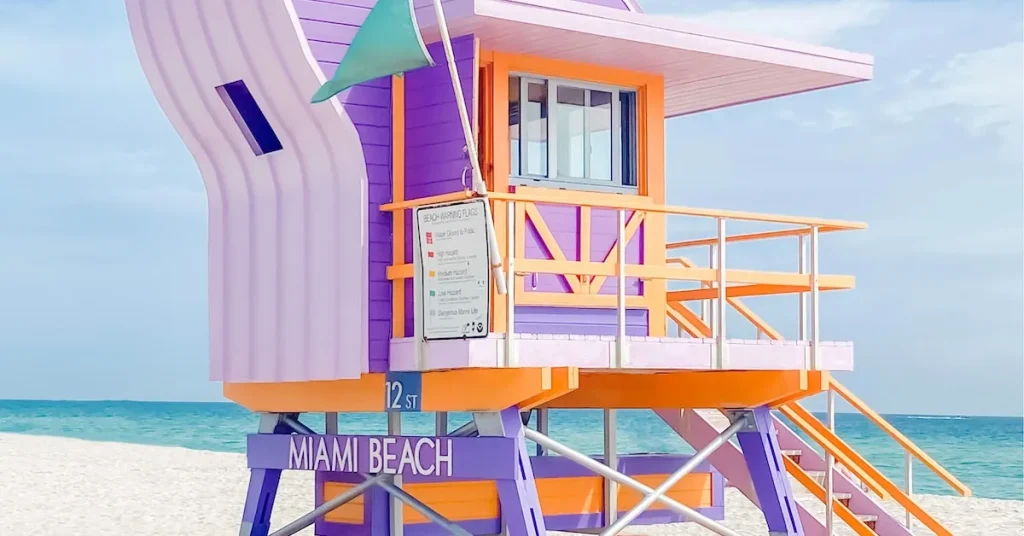
Another cultural highlight is Miami‘s famous Art Deco Historic District in South Beach. Recognized for its pastel-colored buildings, geometric designs, decorative details and distinctive architecture, this area is one of the most recognizable architectural collections in the United States. Many of its buildings date from the 1920s and 1930s, when Miami Beach was rapidly developing into a fashionable holiday destination.
A leisurely walk along Ocean Drive provides an opportunity to admire these architectural treasures, discover historic hotels and enjoy the area’s vibrant atmosphere. The district is particularly beautiful in the evening, when its colorful façades and neon signs create a wonderful sense of nostalgia.
For visitors interested in art, Miami also offers an impressive selection of galleries and museums, including the Pérez Art Museum Miami (PAMM), which showcases international modern and contemporary art, with a particular emphasis on the Americas and the Caribbean.
2. Discover the History and Heritage of Fort Lauderdale
Often recognized for its beautiful beaches, boating culture and extensive network of waterways, Fort Lauderdale has a fascinating history that deserves to be explored. The city offers a very different cultural experience from Miami, combining historic landmarks, artistic heritage and a relaxed coastal atmosphere.
One of its most interesting cultural attractions is the Bonnet House Museum & Gardens. Set within a beautiful tropical estate near the Atlantic coastline, this historic property provides a glimpse into the artistic and architectural history of early South Florida.
The estate was developed by artist Frederic Clay Bartlett and his wife Helen, with the help of Helen’s father, Hugh Taylor Birch, who purchased the original property in the late nineteenth century. Following Helen’s death in 1925, Frederic later married Evelyn Fortune Lilly. Together, Frederic and Evelyn filled the estate with artwork, unusual decorative features and beautiful gardens.
The result is an extraordinary property that feels quite different from a traditional historic mansion. Visitors can explore the house, admire its artistic interiors and wander through gardens featuring tropical vegetation, native wildlife and distinctive natural habitats. Bonnet House also preserves one of the region’s remaining examples of native barrier-island ecosystems, making it an attraction for both history and nature enthusiasts.
Another worthwhile stop is History Fort Lauderdale, located along the New River in the heart of downtown. Its museum campus explores the development of the region through archaeological discoveries, historical exhibits, photographs and preserved buildings.
There is an interesting story behind the city’s name, too. Fort Lauderdale takes its name from a series of military forts constructed during the Second Seminole War in 1838. Major William Lauderdale led troops into the area, where one of the forts was established along the New River. Although the original fortifications have disappeared, their legacy remains in the city’s name.
The region’s earlier history is even more fascinating. The Tequesta people inhabited the southeastern Florida coastline for thousands of years, taking advantage of the area’s rivers, coastal waters and abundant natural resources. Archaeological discoveries around the Bonnet House property provide evidence of this ancient heritage.
For a more contemporary cultural experience, visitors can explore Fort Lauderdale‘s galleries, theaters and performing arts venues, or spend time at the Museum of Discovery and Science, which offers interactive exhibitions and educational experiences for families.
3. Experience the Elegance and History of Palm Beach
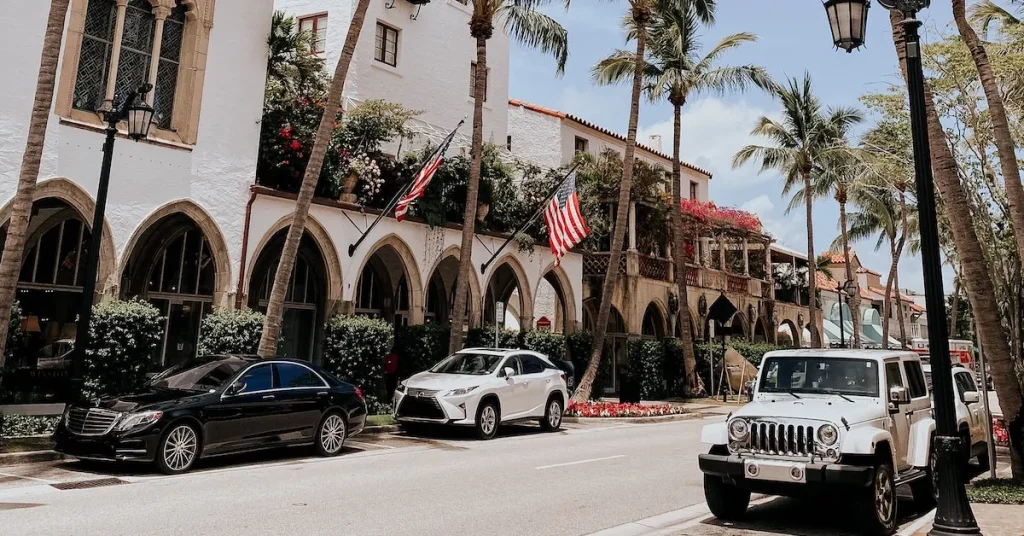
Further north, Palm Beach offers a different interpretation of Florida’s Gold Coast. Famous for its luxurious estates, elegant shopping districts, historic hotels and beautifully landscaped streets, the town has a fascinating story that goes far beyond its reputation for glamour.
Much of Palm Beach‘s development is closely connected to Henry Flagler, the American industrialist and railway entrepreneur who played a major role in transforming Florida into a popular winter destination.
In the late nineteenth century, Flagler recognized the potential of South Florida and invested heavily in hotels and railway infrastructure. The arrival of his Florida East Coast Railway in Palm Beach in 1896 made the region much more accessible to wealthy visitors traveling from northern states.
One of the most remarkable results of his vision was the development of the legendary Breakers hotel. Originally opened as the Palm Beach Inn in 1896, it became a symbol of the area’s growing reputation as an exclusive winter resort. The hotel was destroyed by fires in 1903 and 1925 before being rebuilt into the magnificent property visitors recognize today.
Another important historical attraction is Whitehall, Flagler’s former winter residence, now home to the Flagler Museum and a National Historic Landmark. This impressive mansion offers visitors an opportunity to explore the luxurious lifestyle of America’s Gilded Age, with grand interiors, historic furnishings and exhibitions explaining Flagler’s influence on Florida’s development.
Palm Beach is also associated with architect Addison Mizner, whose distinctive Mediterranean Revival style and Spanish Colonial Revival style helped shape the architectural character of the region during the early twentieth century. His designs incorporated Spanish and Mediterranean influences, decorative details and elegant courtyards, creating a distinctive architectural identity that can still be admired throughout the area.
Beyond its historic buildings, Palm Beach offers beautiful gardens, art galleries, cultural events, upscale dining, and excellent shopping along Worth Avenue. Even a simple walk through the town provides an opportunity to appreciate its architectural elegance and distinctive atmosphere.
4. Discover the Arts, Museums and Cultural Adventures of the Gold Coast
One of the greatest advantages of exploring Florida’s Gold Coast is the variety of cultural experiences available within a relatively compact coastal region.
Art lovers can discover everything from contemporary exhibitions and international collections to historic houses filled with fascinating works of art. Miami‘s Pérez Art Museum, Fort Lauderdale‘s NSU Art Museum and the Norton Museum of Art in West Palm Beach are all excellent destinations for visitors interested in exploring the region’s artistic side.
The Gold Coast also has a thriving performing arts scene. The Adrienne Arsht Center for the Performing Arts of Miami-Dade County hosts concerts, theatre productions, ballet and opera, while Fort Lauderdale and West Palm Beach offer their own impressive selection of live performances and cultural events.
Food is another essential part of the region’s cultural identity. Miami‘s Cuban sandwiches, traditional Caribbean dishes, fresh seafood and Latin American flavors reflect the many communities that have helped shape South Florida. Exploring local restaurants, bakeries and neighborhood cafés is one of the most enjoyable ways to experience the region’s multicultural character.
Local festivals, art walks, farmers’ markets and community celebrations also provide an opportunity to meet local residents, discover independent artists and experience traditions that are often overlooked by visitors who spend their entire holiday on the beach.
5. Family Adventures and Attractions Beyond the Beach
Although history, art and architecture are major attractions, Florida’s Gold Coast is also an excellent destination for families and visitors looking for a little adventure.
The Museum of Discovery and Science in Fort Lauderdale is a popular choice, offering interactive exhibitions, educational experiences and activities that encourage children to explore science and technology.
In Miami, families can enjoy attractions such as the Phillip and Patricia Frost Museum of Science, with its aquarium and planetarium, or explore the tropical surroundings of Fairchild Tropical Botanic Garden in Coral Gables.
Nature lovers can also discover the region’s remarkable ecosystems. The Everglades, located west of the Gold Coast, offer a completely different Florida experience, with opportunities to observe alligators, wading birds and other native wildlife in their natural surroundings. Guided nature excursions provide an excellent introduction to this unique subtropical wilderness.
A Destination Where History, Culture and Coastal Beauty Come Together
Florida’s Gold Coast is much more than a collection of beautiful beaches and luxury resorts. It is a region shaped by thousands of years of human history, waves of immigration, artistic creativity, architectural innovation and the development of some of Florida’s most famous communities.
From the Cuban influences and Art Deco architecture of Miami to the artistic heritage of Bonnet House in Fort Lauderdale and the Gilded Age elegance of Palm Beach, every destination offers a different perspective on the region’s identity.
Whether you’re exploring historic neighborhoods, visiting fascinating museums, enjoying local cuisine, discovering beautiful gardens or simply learning about the people and events that shaped South Florida, there are endless opportunities to experience something new.
Of course, the Gold Coast‘s magnificent beaches will always be a major attraction, but taking the time to explore its cultural treasures reveals a much richer side of this remarkable destination.
For travelers seeking a holiday that combines sunshine, relaxation, history and discovery, Florida’s Gold Coast truly offers the best of both worlds!


