

Changing real estate trends are reshaping Florida’s Atlantic Coast, where the appeal of sunshine, coastal living and a different pace of life continues to attract people from across the country and beyond. Some dream of waking up to ocean views, others prefer a spacious home in a quiet residential neighborhood, while many are drawn by the sunshine, outdoor lifestyle and attractions of Florida’s coastal communities.
But the reasons people choose to buy property in Florida are changing. Lifestyle preferences, working arrangements, property costs and new regulations are influencing the decisions of buyers and sellers.
From Jacksonville and St. Augustine to Boca Raton, Fort Lauderdale and Miami, several important developments are reshaping the Atlantic Coast property market. Here are three trends worth understanding if you are considering buying, selling or relocating to Florida.
1. The Growing Appeal of Smaller Coastal Communities

For many years, Florida’s best-known cities attracted much of the attention from people relocating to the Sunshine State. Miami, Fort Lauderdale, Boca Raton and Jacksonville remain important property markets, but they are not the only places attracting interest. Smaller coastal communities are increasingly part of the conversation.
The appeal is easy to understand. Many people want more space, a quieter residential environment and easier access to beaches, parks and outdoor activities. Remote and flexible working arrangements have also given some buyers greater freedom to consider locations beyond the traditional metropolitan centers.
Along Florida’s Atlantic Coast, communities such as Ormond Beach, New Smyrna Beach, Vero Beach and Stuart offer different alternatives to larger urban environments. Some buyers are looking for detached homes with gardens and swimming pools, while others prefer established neighborhoods where shops, restaurants and everyday amenities are within convenient reach.
There is also considerable variation between communities. St. Augustine combines coastal living with historic character, while the Space Coast offers a distinctive connection with Florida’s aerospace industry. Further south, the Treasure Coast attracts people interested in boating, fishing and a more relaxed coastal lifestyle.
The important point is that relocating to Florida does not necessarily mean moving to one of its major cities. Some of the most appealing residential opportunities can be found in communities that offer a different balance of lifestyle, location and convenience.
2. A Changing Condominium and Luxury Property Market
Florida’s coastal condominiums have long been popular with buyers attracted by ocean views, swimming pools, shared amenities and relatively convenient property maintenance. However, the condominium market is undergoing significant changes.
Following the tragic collapse of Champlain Towers South in Surfside in 2021, Florida introduced stricter requirements relating to building inspections, structural safety and financial reserves for qualifying condominium buildings. These changes have made the financial condition of a condominium association an increasingly important consideration for prospective buyers.
Monthly association fees are only part of the picture. Buyers also need to understand building maintenance plans, reserve funding, inspection findings and the possibility of special assessments. This is particularly relevant in established coastal communities where many condominium buildings have been standing for several decades.
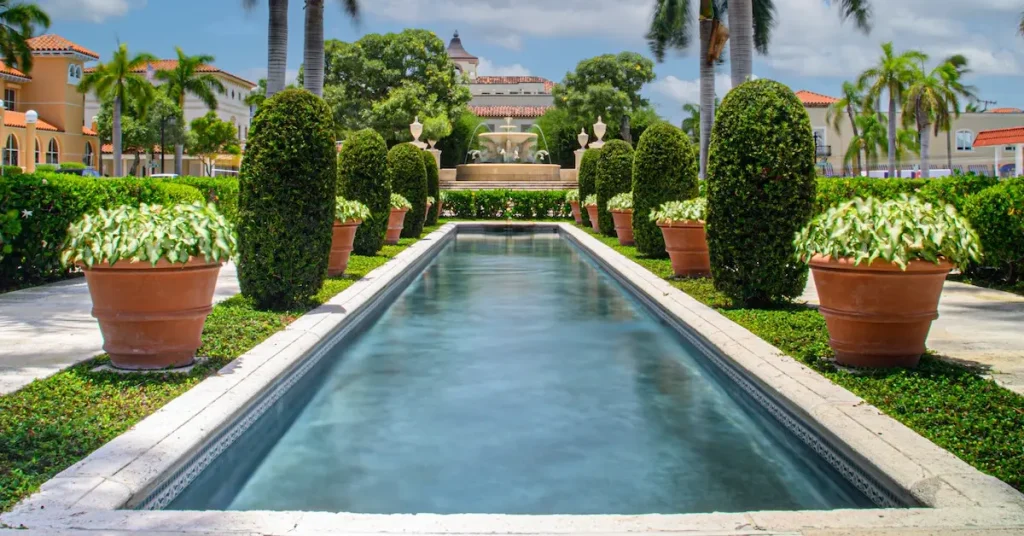
The luxury property market presents a different picture. Waterfront homes, private estates and high-end condominiums continue to appeal to buyers seeking privacy, attractive surroundings and access to Florida’s coastal lifestyle. Palm Beach, Boca Raton, Fort Lauderdale and Miami remain particularly associated with luxury residential property.
However, the luxury market should not be viewed as a single category. A contemporary waterfront mansion, a historic Palm Beach residence and a high-rise condominium overlooking the Atlantic offer very different ownership experiences. For buyers, the attraction of a prestigious address needs to be balanced against property condition, ongoing expenses and the practicalities of maintaining a coastal home.
3. The Real Cost of Coastal Living
An ocean view may be one of the biggest attractions of owning property in Florida, but there is more to consider than the purchase price. Insurance, maintenance, flood risk and the general cost of property ownership can all influence whether a particular home represents a sensible long-term investment.
Florida’s coastal environment creates some distinctive challenges. Salt air and humidity can affect building materials, while tropical storms and wind exposure make property construction and maintenance particularly important.
Insurance is another significant consideration. Premiums and coverage requirements can vary considerably depending on a property’s location, construction, age and exposure to potential risks.
Flood risk also deserves careful investigation. Buyers should examine available flood maps, understand the property’s elevation and investigate any home insurance requirements before committing to a purchase.
Condominium owners have additional considerations, including association fees, building maintenance and shared repair responsibilities.
For people moving to Florida from other states or countries, these expenses can come as a surprise if they have concentrated exclusively on the advertised property price. The best approach is to look at the complete cost of ownership before deciding where to buy.
A property slightly further inland, for example, may offer a different balance of space, location, home insurance considerations and ongoing maintenance compared with a home directly overlooking the ocean.
Finding Your Place Along Florida’s Atlantic Coast: Where Lifestyle Meets Real Estate Trends
One of the great attractions of Florida’s Atlantic Coast is the variety of communities available to prospective residents. Jacksonville and St. Augustine offer different combinations of urban convenience, historic character and coastal living.
Further south, Daytona Beach, Ormond Beach and New Smyrna Beach provide access to the Atlantic shoreline and a variety of established residential neighborhoods.
The Space Coast, including Melbourne and Cocoa Beach, offers a distinctive combination of beach communities, outdoor recreation and connections with the aerospace industry.
Vero Beach, Fort Pierce and Stuart provide another alternative, particularly for people interested in boating, fishing and smaller coastal communities.
At the southern end of the coast, Boca Raton, Fort Lauderdale and Miami offer a more metropolitan lifestyle, with extensive cultural attractions, international connections and luxury residential developments.
There is no universally perfect place to live. The right choice depends on individual priorities, financial circumstances and the kind of lifestyle someone hopes to enjoy. Florida’s Atlantic Coast continues to offer an extraordinary variety of residential possibilities. But choosing the right property involves looking beyond the sunshine and ocean views.
The most rewarding move may be finding a community that feels right, a property that suits your needs and a home whose long-term costs make sense. After all, relocating to Florida is not simply about buying a house. It is about choosing the place where you want the next chapter of your life to unfold.